
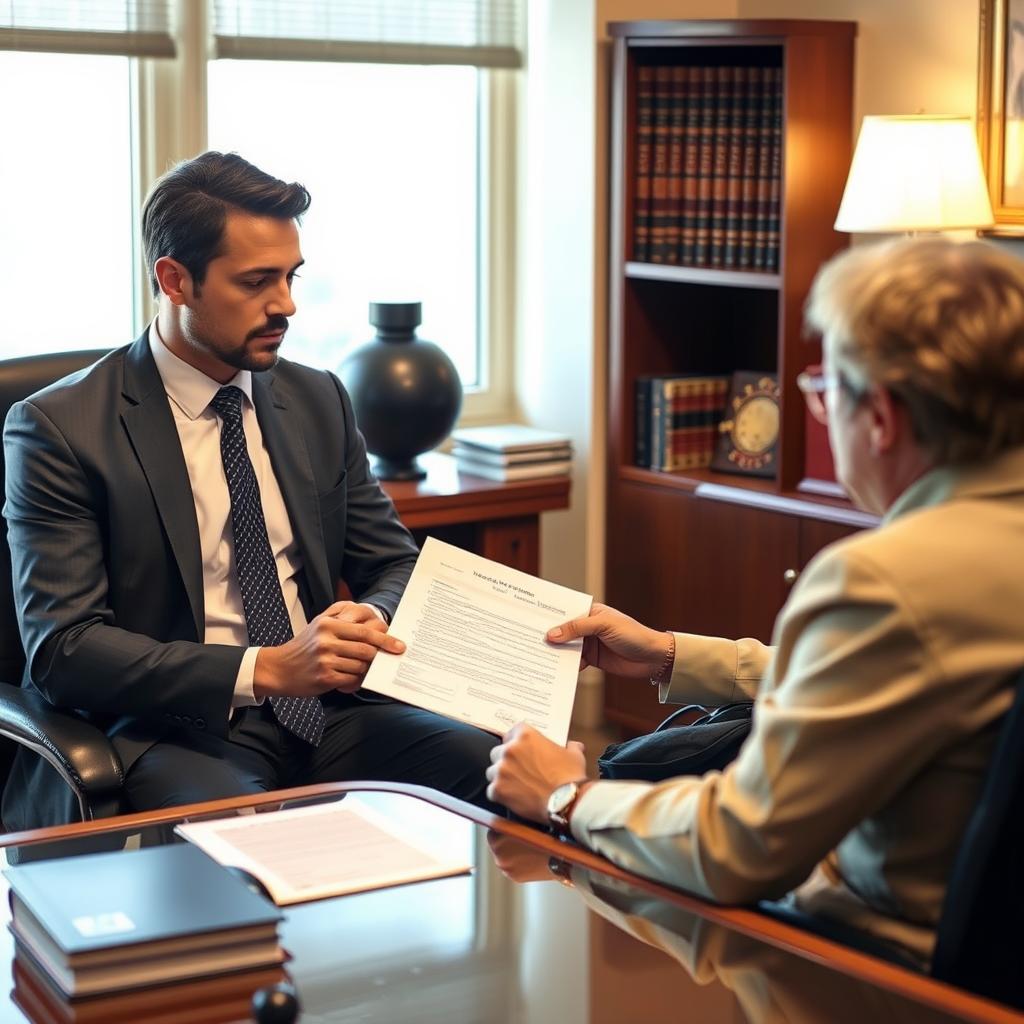
What happens at a DUI arraignment in Virginia
A DUI arraignment in Virginia is your first court appearance after being charged with driving under the influence. At the hearing, which usually takes place in the General District Court of the county or city where the arrest occurred, a judge will formally advise you of the charge, inform you of certain rights, and ask how you plead. The court also considers bail or release conditions at this stage. Understanding what to expect can help you prepare, and having an experienced defense attorney can make a significant difference in how the proceeding unfolds. For guidance specific to your situation, contact Law Offices Of SRIS, P.C., at (888) 437-7747 to request a consultation. Law Offices Of SRIS, P.C. – Advocacy Without Borders.
What to Expect at a Virginia DUI Arraignment
When you appear for a DUI arraignment in Virginia, the proceeding follows a set structure designed to move the case forward. The judge begins by calling the case and confirming your identity. The clerk then reads the charge, which typically cites Virginia Code § 18.2-266—driving while intoxicated—along with any related charges such as refusal to submit to a breath test or reckless driving. The judge will explain the nature of the charge and the possible penalties if you are convicted, including the maximum jail sentence and fine for a Class 1 misdemeanor.
Next, the court addresses your right to legal counsel. If you do not have an attorney, the judge will ask whether you plan to hire one or, if you cannot afford an attorney, whether you need court-appointed counsel. An experienced Virginia DUI lawyer can evaluate the prosecution’s evidence, identify potential challenges to the traffic stop or chemical test results, and advise you on the most appropriate plea. At Law Offices Of SRIS, P.C., Mr. Sris and his Of Counsel routinely appear for clients at arraignments across Virginia and can discuss the strengths and weaknesses of your case before the hearing.
The court will then take your plea. In Virginia, the available pleas are guilty, not guilty, or no contest. Most defense attorneys advise entering a plea of not guilty at the arraignment to preserve all options while the evidence is reviewed and negotiations with the prosecution proceed. If you plead not guilty, the case will be set for a trial date in the General District Court. For a felony DUI charge—such as a third offense within ten years—the arraignment occurs in Circuit Court, and the process includes a preliminary hearing before a trial date is set.
Bail and release conditions are also part of the arraignment. The judge considers factors such as your ties to the community, prior record, and the circumstances of the arrest to decide whether you will be released on personal recognizance or required to post bond. In DUI cases, the court may impose conditions like a requirement to abstain from alcohol, submit to random drug and alcohol testing, or participate in the Virginia Alcohol Safety Action Program (VASAP). If you refused a breath test or had a prior DUI, the judge may take a stricter view of release terms.
Frequently Asked Questions About DUI Arraignments in Virginia
Do I have to go to court for a Virginia DUI arraignment?
Yes, you must appear at your Virginia DUI arraignment in person unless your attorney has obtained a waiver from the court. A DUI charge in Virginia requires a mandatory court appearance because it is a criminal offense, not a simple traffic infraction. Missing an arraignment can result in a bench warrant for your arrest. By working with an attorney at Law Offices Of SRIS, P.C., you can often coordinate the scheduling of the arraignment and ensure all necessary documents are filed so the proceeding goes smoothly.
What plea should I enter at a DUI arraignment?
In most Virginia DUI arraignments, your attorney will advise entering a plea of not guilty. This is not an assertion that you are innocent; it simply preserves your right to challenge the prosecution’s evidence and explore possible defenses. If you enter a guilty plea at the arraignment, you waive your right to a trial and will typically be sentenced immediately. A not guilty plea gives your defense team time to review the police reports, breathalyzer calibration records, and any video evidence before deciding the trusted course of action.
Can I be released without bail after a DUI arraignment?
Many people charged with a first-offense misdemeanor DUI in Virginia are released on their own recognizance at the arraignment, meaning no cash bail is required. The judge weighs the seriousness of the offense, your criminal history, your ties to the community, and any aggravating factors such as an extremely high blood alcohol concentration or an accident involving injury. For a repeat DUI or a felony charge, bail is more likely, and the court may impose stricter conditions like electronic monitoring. Mr. Sris and his Of Counsel can present arguments at the arraignment to seek the least restrictive conditions possible.
What is VASAP, and will it be ordered at the arraignment?
The Virginia Alcohol Safety Action Program (VASAP) is a state-mandated education and treatment program for drivers convicted of DUI. While the formal order to complete VASAP usually follows a conviction, the judge may reference VASAP at the arraignment, particularly when setting release conditions. For example, the court might order you to contact VASAP for an assessment or to enroll in the program as a condition of bond. An attorney can explain what the court’s expectations mean for your case.
What happens after the arraignment in a DUI case?
After a not guilty plea is entered at the arraignment, your case proceeds to the pretrial phase, which includes discovery of evidence and negotiation with the prosecutor. Your attorney will request the arresting officer’s notes, calibration logs for any breath-testing equipment, and any dashcam or body-worn camera footage. In many Virginia jurisdictions, it is possible to negotiate a reduced charge, such as reckless driving, or to identify procedural violations that justify dismissal. The case will then go to trial in General District Court unless a plea agreement is reached.
Do I need a lawyer for a DUI arraignment in Virginia?
You have the right to represent yourself, but because a DUI conviction can result in jail time, a criminal record, and a driver’s license suspension, having an experienced attorney is strongly advised. A lawyer can ensure your rights are protected at the arraignment, argue for favorable release terms, and begin building a defense strategy immediately. Law Offices Of SRIS, P.C., has practiced in Virginia since 1997 and has handled DUI matters across the Commonwealth. To discuss your case, call (888) 437-7747.
How long does a DUI arraignment take in Virginia?
A DUI arraignment is usually a brief hearing, often lasting between ten and twenty minutes, depending on the court’s calendar and the complexity of the case. Many arraignments are scheduled on a heavy docket with multiple defendants, so you may wait for some time before your case is called. Having an attorney present can help expedite the process because your lawyer can present the court with a clear position on plea and release conditions without the need for extended explanation from the judge.
What should I bring to my Virginia DUI arraignment?
Bring your summons or bail papers, a form of identification, and any documents your attorney has instructed you to carry. You should also bring contact information for your employer or family members, as the court may wish to verify employment or community ties for bail purposes. Do not bring weapons, food, or recording devices into the courthouse. Arrive early, dress neatly, and be prepared to wait. Your attorney can advise you on any additional items specific to your case.
Can I get a restricted license at the arraignment?
Generally, the court does not address a restricted driver’s license at the DUI arraignment itself; license issues are typically handled at a separate administrative proceeding or after conviction. If your license was suspended administratively—for example, because you refused a breath test—your attorney may be able to file a motion to review the suspension, but that is not part of the arraignment calendar. Mr. Sris and his Of Counsel can explain the interplay between the criminal case and the Virginia Department of Motor Vehicles administrative actions.
What if I missed my DUI arraignment date?
Missing a Virginia DUI arraignment can result in the court issuing a capias, or bench warrant, for your arrest. You should contact an attorney immediately if you have missed your hearing. In some cases, an attorney can appear on your behalf, explain the circumstances, and ask the court to recall the warrant and reschedule the hearing. Do not ignore a missed court date, as the situation will only become more serious.
About Mr. Sris and His Of Counsel Team
Mr. Sris, Owner and Founder of Law Offices Of SRIS, P.C., established the firm in 1997 and is admitted to practice in Virginia, Maryland, the District of Columbia, New Jersey, and New York. As a former prosecutor, he brings firsthand insight into how the Commonwealth builds and presents DUI cases. Mr. Sris and his Of Counsel—a team of experienced attorneys engaged through Excella—have represented drivers at DUI arraignments and trials across Virginia for more than twenty-eight years. The firm maintains Virginia locations in Fairfax, Richmond, and the Shenandoah Valley, among others, and offers consultations by appointment. Over 120 years of combined legal experience between Mr. Sris and his Of Counsel, backed by 4,739+ documented firm-wide results, inform the defense of each DUI matter the firm handles. Results may vary.
Reviewed by Mr. Sris, Owner and Founder
Admitted in Virginia, Maryland, District of Columbia, New Jersey, and New York
Practicing since 1997
For further information about Virginia DUI defense, see our Virginia DUI lawyer overview and our Virginia traffic defense practice. If you are facing a specific charge like reckless driving, our reckless driving practice may also be relevant.
Outbound resources: Virginia Code § 18.2-266 | Virginia Courts
Attorney advertising. Prior results do not guarantee a similar outcome.
Results may vary.
Case results depend on a variety of factors unique to each case.